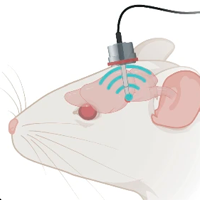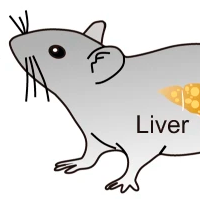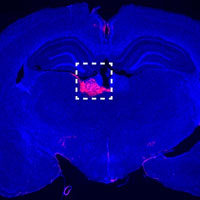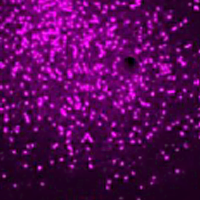
Cocaine chemogenetics blunts drug-seeking by synthetic physiology. Nature
Cocaine-gated chemogenetics enables selective modulation of addiction-related circuits while sparing natural reward.
National Institute on Drug Abuse - Intramural Research Program
DISCLAIMER
The opinions expressed are the NIDA IRP POTM Committee members’ own and do not reflect the view of the National Institutes of Health, the Department of Health and Human Services, or the United States government.

Long-term labeling and imaging of synaptically connected neuronal networks in vivo using double-deletion-mutant rabies viruses Nat Neurosci
Rabies-virus-based monosynaptic tracing is a common tool used in neuroscience research; however, toxicity of the virus limits the duration of experimental observations. Jin et al. have produced a second generation system for long-term monosynaptic tracing using a double-deletion-mutant rabies virus that reduces this toxicity and allows for viral replication and spread through neuronal subsets.

Development of a genetically encoded sensor for probing endogenous nociceptin opioid peptide release bioRxiv
This study presents the development and characterization of NOPLight, a genetically encoded fluorescent sensor designed to detect the evoked and endogenous release of the nociceptin/orphanin FQ (N/OFQ) opioid peptide with high spatial and temporal resolution. NOPLight enables real-time monitoring of endogenous N/OFQ release during natural behaviors, chemogenetic stimulation, and pharmacological interventions in vitro, ex vivo, and in vivo.

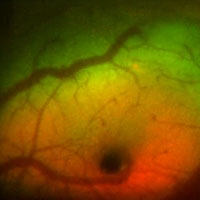
Astrocytes modulate cerebral blood flow and neuronal response to cocaine in prefrontal cortex Mol Psychiatry.
This study introduces a novel multi-channel fluorescence and ultra high-resolution optical coherence Doppler microscope (fl-ODM) that enables simultaneous in vivo imaging of neuronal, astrocytic, and vascular dynamics in the mouse brain. Using this tool, the research uncovers how astrocytes dynamically regulate cocaine-induced changes in cerebral blood flow and neuronal activation in the prefrontal cortex.

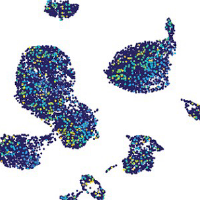
Isolation of psychedelic-responsive neurons underlying anxiolytic behavioral states. Published in Science.
Understanding how psychedelics exert therapeutic effects without inducing hallucinogenic side effects is a key challenge in neuropsychiatric drug development. Muir et al. combine multiple cutting-edge neuroscience approaches to dissociate the neural mechanisms underlying the anxiolytic-like and hallucinogenic-like effects of the psychedelic 2,5-dimethoxy-4-iodoamphetamine (DOI). They identify a population of DOI-responsive neurons in the medial prefrontal cortex that mediate anxiolytic-like effects without inducing hallucinogenic-like behaviors, paving the way for the development of more targeted psychedelic therapies.

A fast and responsive voltage indicator with enhanced sensitivity for unitary synaptic events Neuron.
The paper introduces ASAP5, a genetically encoded voltage indicator (GEVI) optimized for detecting electrical activity in neurons with improved speed, sensitivity, and signal resolution. The study highlights ASAP5’s in vitro and in vivo utility across species (flies, fish, mice, and human neurons). It bridges the gap between low-throughput electrophysiology and non-invasive imaging, making it a valuable resource for investigating synaptic dysfunction in neurodevelopmental and neurodegenerative diseases.

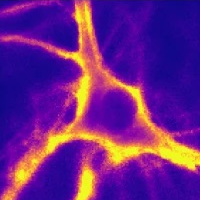
DART.2: bidirectional synaptic pharmacology with thousandfold cellular specificity Nat Methods.
Understanding how specific brain cells drive behavior requires targeted, cell- and circuit-specific neuropharmacology. DART.2 (Drugs Acutely Restricted by Tethering, version 2) offers improved cellular precision for targeting drugs compared to the original DART.1 technology, enabling unprecedented brain-wide drug distribution and bidirectional modulation of neurotransmitter pathways to examine behavior.

High Spatiotemporal Resolution Radial Encoding Single-Vessel fMRI Adv Sci (Weinh)
This paper implemented a radial encoding MRI scheme to measure blood oxygenation level dependent (BOLD) signals of single vessels at microscopic level in the rat somatosensory cortex. In addition, besides from detecting refined hemodynamic response of intracortical micro-venules, this radial encoding-based single-vessel fMRI is capable of distinguishing contributions of intravascular and extravascular effects of signals from vessel and peri-vessel voxels. This combination further benefits real-time single-vessel BOLD fMRI, CBV, and cerebral blood flow studies, making it a valuable tool for advanced brain functional mapping with high-field MRI scanners.

Topographical memory analyzed in mice using the Hamlet test, a novel complex maze Neurobiol Learn Mem
This manuscript presents a novel behavioral test relying on a new device and specific paradigm: the Hamlet test. The Hamlet test measures topographic memory and establishes a disorientation index using a paradigm based on spontaneous exploration bypassing common issues with spatial behavioral tests, such as procedural routines and systemic avoidance behavior.

A Wearable Device Towards Automatic Detection and Treatment of Opioid Overdose IEEE Trans Biomed Circuits Syst
A wearable closed-loop drug delivery system capable of detecting a hypoxia event and an automatic rapid delivery of a naloxone dose has the potential to mitigate the effects of the opioid epidemic. The closed-loop system can be complementary to the existing evidence-based harm reduction strategies, particularly in instances of unwitnessed overdose where there are no bystanders to administer Narcan.
[Read More]