The CCB currently supports post-doctoral Fellows working at most NIH Institutes with neuroscience research. The fellows’research focus span a wide range of topics related to compulsive behaviors, that include synaptic mechanisms drivingcompulsive drug taking, neural circuitry that mediates relapse, and behavioral paradigms that promote compulsive overeating.
First Year Fellows
Maxime Thouaye, Ph.D. (NCCIH)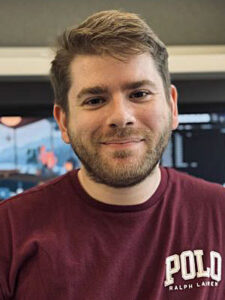
Maxime Thouaye is a visiting postdoctoral fellow in the Pain Neurocircuitry and Cellular Plasticity Lab lead by Dr. Yarimar Carrasquillo. Maxime is interested in studying the link between chronic pain and drug abuse, with a focus on the role of the central amygdala and the endogenous opioid system in these aspects. His CCB project specifically focuses on studying the role of an intra-amygdalar circuit on pain aversion, chronicity and affective comorbidities, which are key risk factors for developing compulsive behaviors.
Maxime graduated from the University of Montpellier in France with a bachelor’s degree in animal physiology and neuroscience, and a master’s degree in neuroscience. In 2022, Maxime received his Ph.D. from the University of Montpellier. His doctoral work consisted of exploring the interaction between the receptor tyrosine kinase FLT3 and the endogenous opioid system in pain sensitization and morphine side effects. He then moved on to a postdoc position in Strasbourg, France, working on the comorbidity between chronic neuropathic pain and anxiodepression.
Eloise Kuijer, Ph.D. (NIAAA)
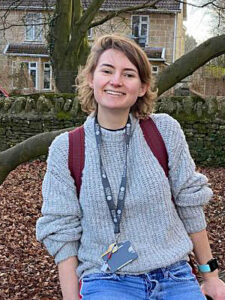
Eloise is a visiting postdoctoral fellow joint between the Section of Sensory Science and Metabolism led by Dr. Paule Joseph at the National Institute of Alcohol Abuse and Alcoholism, and the Unit on Neuromodulation and Synaptic Integration led by Dr. Hugo Tejeda at the National Institute of Mental Health. Her CCB project investigates how internally generated states of motivation are shaped by neuromodulators and brain motivation circuitry over the course of the circadian cycle.
She received her BSc and MSc in Biomedical Sciences at Leiden University, The Netherlands, and her PhD in Pharmacy and Pharmacology at the University of Bath, UK, where she studied opioid receptor signaling in aversion, reward, and analgesia. She likes waffles.
Mariam Melkumyan, Ph.D. (NIAAA)
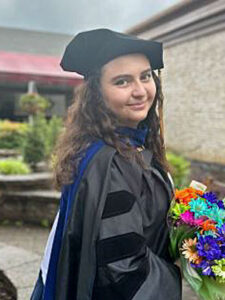 Mariam is a second-year IRTA postdoctoral fellow in the Laboratory of Molecular Signaling with Dr. Hee-Yong Kim. Her research focuses on the role of the adhesion G-protein coupled receptor, GPR110, in alcohol use, anxiety, learning, and memory. Specifically, Mariam’s CCB project investigates how the overexpression of this receptor in the hippocampus during adulthood affects neurogenesis, neuroimmune response, and synaptic plasticity in both wildtype mice and those perinatally exposed to alcohol.
Mariam received her B.S. in Neuroscience from American University and her dual-title PhD in Neuroscience and Clinical and Translational Sciences from Penn State College of Medicine. Her graduate work focused on the role of central amygdala neuroinflammation in alcohol use and alcohol withdrawal-induced anxiety. In her free time, Mariam enjoys volunteering at Last Chance Animal Rescue at the local PetSmart, playing with her two cats, and spending time with her friends and family.
Shoupeng Wei, Ph.D. (NIAAA)
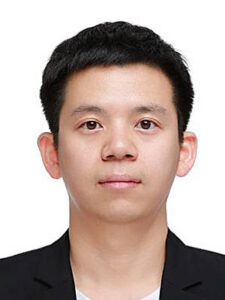 Shoupeng is a visiting postdoctoral fellow at the National Institute on Alcohol Abuse and Alcoholism (NIAAA), under the supervision of Dr. David Lovinger. His research concentrates on studying the specific role of blood-CSF barrier modulating alcohol drinking behavior and its specific permeability to alcohol metabolites. His CCB project is aimed at choroid plexus as a target for alcohol intoxication and motivation.Shoupeng earned his PhD title (Dr. rer. nat) from University of Heidelberg, Germany.
He specialized in Neuropsychopharmacology under the mentorship of Dr. Rainer Spanagel, and focused on investigating the mechanism underlying sugar-induced addictive-like phenotype, during the doctoral study. Currently, he uses behavioral, pharmacological, physiological and molecular techniques to investigate how the choroid plexus is involved in alcohol use disorders.
Lauren Hewitt, Ph.D. (NICHD)
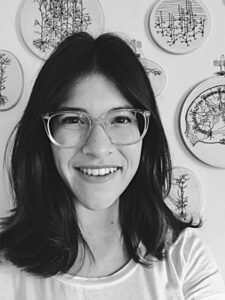 Lauren is currently a postdoctoral researcher in the lab of Chris McBain in the NICHD. Her CCB project focuses on the comparison of electrophysiological properties of fast spiking neurons across multiple species and brain regions. Lauren graduated from Arizona State University in 2014 with a degree in Psychology and Biology. She began research in 2010 in the behavioral neuroscience lab of Dr. Heather Bimonte-Nelson where she studied the impact of estrogenic hormone therapy on cognition. After graduation, she remained at ASU from 2014-2016 as a technician in Dr. Jason Newbern’s lab and worked on a series of neurodevelopmental disorders known as RASopathies.
Lauren received her PhD at The University of Texas at Austin in 2022 in the lab of Darrin Brager where she focused on investigating the contributions of hippocampal inhibitory interneurons to Fragile-X syndrome pathophysiology. Outside of the lab, Lauren is an accomplished science textile artist. She has vended at the Society for Neuroscience meeting, been featured in the press, and has neuroscience themed embroidery pieces displayed in various collections. Lauren is passionate about the intersection between science and art and uses embroidery as a creative way to educate the public about neuroscience.
Courtney Wilkinson, Ph.D. (NIDA)
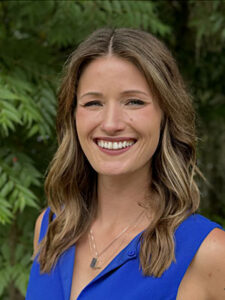 Dr. Courtney Wilkinson is a postdoctoral fellow in the Neurobiology of Addiction Section, led by Dr. George Koob, and in the Stress and Addiction Neuroscience Unit, led by Dr. Leandro Vendruscolo, at the National Institute on Drug Abuse. Her CCB project will investigate the neurocircuitry underlying drug-associated cues using functional ultrasound imaging.
Courtney graduated from Millersville University with a B.A. in Psychology and a B.S. in Emergency Management. She earned her M.S. and Ph.D. in Behavioral and Cognitive Neuroscience at the University of Florida with a concentration in Clinical and Translational Science. Her dissertation research explored the neurobiological impact of stress on fear, anxiety-like behavior, intravenous oxycodone self-administration, and the mesolimbic dopamine system in the laboratory of Dr. Lori Knackstedt.
Dilara Gostolupce, Ph.D. (NIDA)
Akshita Joshi, Ph.D. (NIDCD)
 Dr. Akshita Joshi is a postdoctoral fellow in Dr. Joshua Levy’s lab within the Olfaction and Sinonasal Program at the National Smell and Taste Center, NIDCD, NIH. Her research focuses on investigating the central mechanisms underlying olfactory dysfunction in patients, utilizing electrophysiological and neuroimaging techniques. Through CCB, she is exploring the connection between a specific type of olfactory disorder- Parosmia- in which familiar smells become distorted and often unpleasant—leading to significant changes in food preferences and eating behaviors—and compulsive eating patterns. Her study examines the neural mechanisms driving food aversions and dietary changes in these patients using advanced neuroimaging techniques.
Dr. Akshita Joshi is a sensory neuroscientist with a background in olfaction and gustation, particularly in their roles within neurological and neurodegenerative diseases. She holds a Ph.D. in Neuroscience with a specialization in smell and taste from the department of Otorhinolaryngology, Universitätsklinikum Carl Gustav Carus, Dresden, Germany, funded by the prestigious DAAD scholarship. Her doctoral research focused on investigating olfactory plasticity, shedding light on the brain’s adaptability in response to olfactory stimuli and dysfunctions. Fun Fact: She is on a quest to visit 40 countries before she turns 40—having already checked off 21, she’s eagerly planning her next adventures!
Ian Grant, Ph.D. (NIDDK)
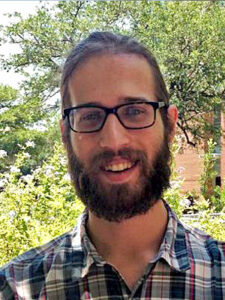 Ian is a Postdoctoral Fellow in the Diabetes, Endocrinology & Obesity Branch at NIDDK and is co-mentored by Drs. Michael Krashes and Andrew Lutas. He is using advanced optical imaging techniques and biosensors to study the neural mechanisms underlying the efficacy of next-generation weight loss drugs.
Ian completed his PhD at the Medical University of South Carolina under the supervision of Dr. Jim Otis, wherein he used multiphoton imaging and optogenetics to dissect the neural circuits underlying addiction. Outside of lab, he enjoys cycling, rock climbing, and being with friends/family.
Kaitlyn Hajdarovic, Ph.D. (NIDDK)
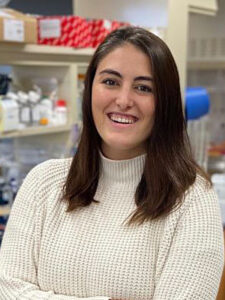 Kaitlyn Hajdarovic is a postdoctoral fellow in the laboratory of Dr. Sushil Rane. Her work focuses on the neural circuits controlling glucose homeostasis. Under the mentorship of Drs. Rane and Krashes, her CCB fellowship project concerns sex differences in neuronal populations involved in glucose homeostasis, and how estrogen may modulate drive for sucrose reward. This project combines her expertise in single cell RNA sequencing with behavioral approaches.
Kaitlyn received her Ph.D. in Neuroscience at Brown University under the mentorship of Dr. Ashley Webb. Her past work utilized single nuclei RNA sequencing to uncover transcriptional changes in the aged female mouse hypothalamus. Through her graduate work, Kaitlyn has developed a long-term interest in female health throughout the lifespan.
When not in the laboratory, Kaitlyn enjoys doing embroidery and hanging out with her two cats.
Alihan Erdagi Ph.D. (NIMH)
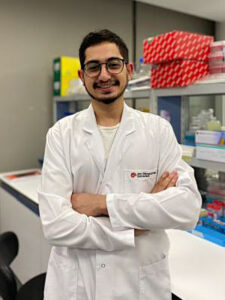 Alihan is a Visiting Postdoctoral Fellow in the Section on Synapse Development Plasticity at the National Institute of Mental Health (NIMH), working with Dr. Zheng Li. His research centers on understanding the neural circuits involved in frustration, integrating behavioral and electrophysiological methods in both human and animal models. Early results from their lab’s animal studies have shown promising insights into how frustration impacts neural circuits involved in reward processing and emotional regulation. His CCB project aims to further elucidate these findings. As a bench-to-bedside translational researcher, Alihan strives to bridge the gap between basic neuroscience and clinical applications, contributing to the development of novel psychiatric treatment strategies.
Alihan earned his Ph.D. in Neuroscience from Koç University in Istanbul, Türkiye, where he explored the neural underpinnings of time perception and decision-making. His doctoral research utilized cognitive, behavioral, neuromodulation, and neurocomputational techniques, incorporating both human and animal models. He employed optogenetics and electrophysiology to study interval timing mechanisms. In addition to his academic expertise, Alihan has a background in physiotherapy and psychology, focusing early on the connection between mental and physical health. Outside the lab, he enjoys experimenting with espresso brewing techniques and honing his cooking and baking skills.
Second Year Fellows
Choa Sung, Ph.D. (CC) Choa is a Postdoctoral Fellow in the Translational Biobehavioral and Health Disparities Branch at the NIH Clinical Center, under the guidance of Dr. Katherine Maki. Her research focuses on conducting a comprehensive investigation of the physiological and behavioral determinants of health in individuals with substance use disorders. Her CCB project aims to understand how the co-use or withdrawal of alcohol and cannabis affects sleep and microbiome-related phenotypes.
Working as a clinical researcher and a nurse, Choa has received extensive training in the integration of biological and behavioral data into clinical research. Choa earned her Ph.D. in Nursing Science from the University of Illinois Chicago in 2023. Her graduate work focused on interrogating the effect of gut-brain signaling mechanisms and their impact on the recognition of symptoms in kidney transplant recipients. Outside of the lab, Choa enjoys cooking and baking.
Nisa Roy, Ph.D. (NCCIH)
 Dr. Nisa Roy is a visiting postdoctoral fellow at the Section on Behavioral Neurocircuitry and Cellular Plasticity, led by Dr. Yarimar Carrasquillo at National Center for Complementary and Integrative Health (NCCIH). As a 2024 CCB fellow, Dr. Roy aims to identify the cell type and projection specific role of CeA to PAG pathway in behaviors that lie at the intersection of stress and pain. She will combine patch clamp electrophysiology, brain injections, anatomy, opto-assisted circuit mapping, in-vivo photometry, behaviors, and patch sequencing to identify alterations in amygdala circuitry upon stress and pain conditions.
Dr. Nisa has graduated from University of Calcutta with a Bachelor’s degree in Zoology and a Master’s in Neuroscience. She was a Project Associate at Indian Institute of Technology Kanpur following which she pursued her Ph.D. in Neuroscience from Monash University in 2023. Her doctoral work revealed a potential link between a novel orphan G-protein coupled receptor, GPR139, and emotion-related cognitive impairment associated with psychiatric disorders. Nisa is passionate about attending fitness classes, voyaging, photographing, and finding good food in the grocery.
Priscila Correa Antonello, Ph.D. (NIAAA)
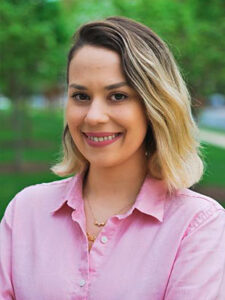 Priscila is a Visiting Postdoctoral Fellow in the Section on Neural Circuits, led by Dr. Michelle Antoine at the National Institute on Alcohol Abuse and Alcoholism. Her research focuses on understanding the impact of genetic and environmental insults on neural signal processing within brain networks, leading to neurodevelopmental disorders. Her CCB project involves assessing neural mechanisms underlying behavioral flexibility in a mouse model of prenatal alcohol exposure.
She received her B.S. in Biomedical Engineering from the Federal University of Uberlândia, Uberlândia, Brazil, her M.Sc. in Electrical Engineering, specializing in Biomedical Engineering, from the State University of Campinas, São Paulo, Brazil, and her Ph.D. in Molecular Biology from the Federal University of São Paulo, São Paulo, Brazil. Her work combined tools and approaches from theoretical and experimental neuroscience to understand how neurons wire together to form networks that promote both typical and abnormal brain function.
When not in the lab, Priscila enjoys practicing yoga and salsa dancing.
Qingfang Liu, Ph.D. (NIDA)
 Qingfang is a research fellow at the Learning and Decision-Making Unit, under the guidance of Dr. Thorsten Kahnt at the National Institute on Drug Abuse (NIDA). Qingfang uses computational modeling, fMRI, and TMS to study learning and decision-making in humans. Her CCB project aims to dissect the intricate mechanisms guiding human inference processes, with a particular emphasis on exploring the roles of the orbitofrontal cortex and hippocampus.
Qingfang received her PhD in Psychology from the Ohio State University, where she focused on understanding self-control mechanism by investigating intertemporal choice decision making. She enjoys doing Pilates in her spare time.
Avinash Vaidya, Ph.D. (NIDA)
 Avinash is a research fellow in the Learning and Decision-Making Unit within the National Institute on Drug Abuse Intramural Research Program. Avinash’s research is focused on understanding the neural basis of adaptive behavior, and how dysfunction within these circuits contributes to behavioral rigidity and automaticity. Specifically, he uses functional neuroimaging and transcranial magnetic stimulation to investigate the circuitry that supports the learning about the structure of tasks – the hidden rules and associative knowledge that we leverage to learn faster and act flexibly.
Avinash completed his PhD at McGill University studying the effects of focal frontal lobe lesions on decision-making and learning. Before coming to NIDA, he completed a postdoctoral fellowship at Brown University using functional neuroimaging to study circuits supporting inference during value judgment. While at Brown, Avinash bought half a cord of firewood to keep his apartment warm. He subsequently had to dispose of the same wood when it began to grow mold a month later.
Phil Witkowski, Ph.D. (NIDA)
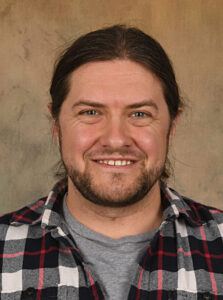 Phil is a Postdoctoral Fellow in Dr. Thorsten Kahnt’s lab within the Learning and Decision-Making Unit of the National Institute on Drug Abuse (NIDA). As a CCB Fellow, Phil uses functional imaging (fMRI) and computational modeling to understand the role of Orbitofrontal cortex (OFC) in learning and decision making in humans. His goal is to test whether the OFC is necessary for learning causal associations, and if the OFC leverages these associations to motivate behaviors which lead to specific reward.
Phil received his PhD in Psychology from the University of California, Davis in 2023 (Go Aggies!). As a graduate student he studied how the brain implements credit-assignment, as well as learning and attention. Outside of research, Phil enjoys historical fencing with his friends and woodworking.
Matt Broomer, Ph.D. (NIDA)

Matt is a postdoctoral fellow in the Neural Engineering Unit at NIDA under the mentorship of Dr. Da-Ting Lin and Dr. Yavin Shaham. He is interested in how animals learn to change and inhibit their behavior, particularly during operant punishment. His CCB project uses in vivo calcium imaging and deep learning behavioral analyses to examine activity in brain regions such as the nucleus accumbens and the infralimbic cortex during punishment learning.
Matt received his Ph.D. in Psychology at the University of Vermont in the lab of Dr. Mark Bouton. Outside the lab, he enjoys visiting small educational museums and listening to the Beach Boys.
Ginevra D'Ottavio, Ph.D. (NIDA)
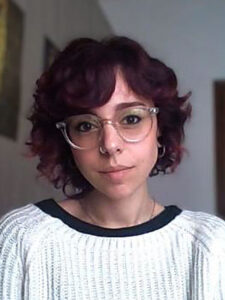 Ginevra is a postdoctoral fellow in the laboratory of Dr. Yavin Shaham at the National Institute on Drug Abuse (NIDA). As a CCB fellow, under the guidance of Dr. Shaham and Dr. Michaelides, Ginevra will explore the neurobiological alterations within the opioid system underlining social withdrawal induced by excessive opioids consumption.
Ginevra received her PhD in Behavioral Neuroscience from Sapienza University of Rome. Her doctoral research focused on developing an animal model of heroin addiction that closely mirrors the social withdrawal observed in humans with opioid use disorder.
Linda Amarante, Ph.D. (NIMH)
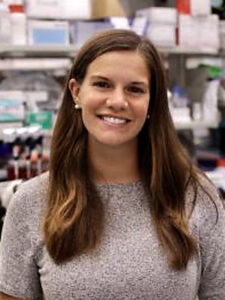 Linda is a postdoctoral fellow in the Laboratory on the Neurobiology of Compulsive Behaviors led by Dr Veronica Alvarez at the National Institute of Mental Health (NIMH). Linda’s research interests involve understanding the role of the frontal cortex and basal ganglia during value-based decision making. Her CCB project will use fiber photometry in mice during a dynamic foraging task to assess how direct pathway D1 medium spiny neurons within striosome/patch compartments compute information about value and action to promote flexible and adaptive behavior.
Before joining as a postdoc at NIH, Linda started her postdoc with Dr Jeremiah Cohen, first at Johns Hopkins School of Medicine and then at the Allen Institute for Neural Dynamics when Dr Cohen moved his lab there in 2022. She earned her Ph.D. in Neuroscience from American University in March 2020 where she studied the role of the frontal cortex in reward-based behaviors in Dr Mark Laubach’s lab. Outside of the lab, Linda enjoys coaching and playing softball and baseball.
Brett Hathaway, Ph.D. (NIMH)
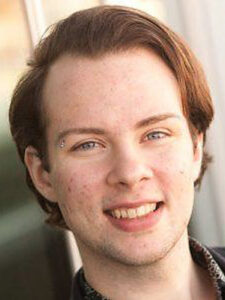 Brett is a postdoctoral fellow in the Unit on the Neural Computations in Learning led by Dr. Angela Langdon at the National Institute of Mental Health. They are currently working in collaboration with Dr. Geoff Schoenbaum at the National Institute on Drug Abuse. Their CCB project aims to investigate the role of phasic dopamine responses in tracking sequential predictive associations between rewards. This project will combine behavioral data, electrophysiology, and computational modeling to understand whether dopamine reward prediction errors can carry predictive information about subsequent outcomes, as well as about immediate expected reward.
Brett earned their PhD in neuroscience from the University of British Columbia under the supervision of Dr. Catharine Winstanley. Their PhD work examined the cognitive and neurobiological mechanisms of cue-induced impairments in cognitive flexibility and risky choice. Outside of the lab, Brett enjoys spending time in nature, video games, and travel.
Hye Young Ryu, Ph.D. (NINDS)
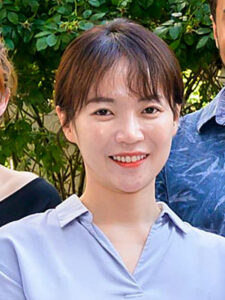 Dr. Ryu is a visiting fellow in the receptor biology section led by Dr. Roche at NINDS. She is studying the mechanisms underlying NMDAR trafficking and synaptic expression. Her project with CCB is studying to elucidate the synaptic dysfunction resulting from various rare variants in synaptic proteins through deep sequencing of patient populations. Her research combines electrophysiology, behavior, and iPSCs as a comprehensive approach to investigating synaptic and behavioral effects of NMDA receptor variants.
Dr. Ryu earned her molecular and cellular biology bachelor’s degree from the University of Illinois at Urbana-Champaign. After that, she earned her Ph.D. in Neuroscience from Daegu Gyeongbuk Institute of Science & Technology (DGIST), where she studied the regulatory mechanisms governing programmed death. She is currently a postdoctoral researcher in Dr. Katherine Roche’s lab, studying glutamate receptor biology and its implications for neurological disorders. Research on specific genetic mutations is devoted to understanding how certain mutations affect the brain.
Third Year Fellows
Yili Zhao, Ph.D. (NCCIH) Yili is a visiting postdoctoral fellow at the Section on Affective Neuroscience and Pain, under the guidance of Dr. Lauren Atlas at the National Center for Complementary and Integrative Health (NCCIH). Her research investigates the mechanisms underlying social reinforcement learning of other’s expressions of pain. Her CCB project explores the impact of alcohol consumption, believed to modify social cognition, on the recognition and learning of painful facial expressions.
Yili earned her Ph.D. in Natural Sciences, with a specialization in Psychology, from University of Vienna, under the mentorship of Dr. Claus Lamm. Her doctoral research focused on understanding the neural underpinnings of empathy and emotion recognition of pain and disgust in human. She employs a broad spectrum of investigative methodologies, including behavioral measures, univariate and multi-voxel fMRI analysis, computational modeling, and psychopharmacological administration.
Bharath Chandra Talluri, Ph.D. (NEI)
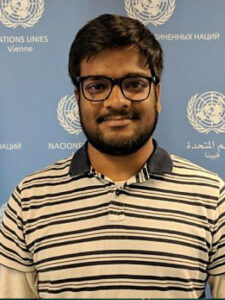 Dr. Talluri is a visiting fellow in the Visual Decision-Making section led by Dr. Hendrikje Nienborg at the Laboratory of Sensorimotor Research. At NIH, he is investigating the neurophysiological mechanisms underlying decision-making and visual perception using electrophysiological methods in non-human primates. His CCB project aims to identify the neural basis of abstract perceptual choices and the interplay between motivational states and decision-making behavior.
Dr. Talluri attained his Bachelors in Electrical Engineering from Indian Institute of Technology Roorkee, Masters in Cognitive Science from University of Edinburgh, UK, and PhD in Cognitive Neuroscience from the University Medical Center Hamburg- Eppendorf, Germany. During his PhD, he investigated the mechanistic and neural basis of choice-induced biases in decision-making. His research primarily addresses how the brain combines external evidence with internal beliefs and states to choose a course of action using complementary approaches like psychophysics, neuroimaging (fMRI & MEG), pupillometry, electrophysiology, and computational modeling. Bharath is a coffee-lover and underwent training as a barista.
Lee Peyton, Ph.D. (NIAAA)
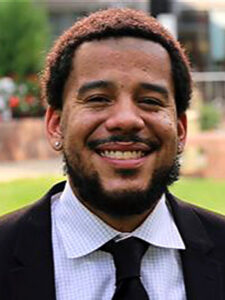 Dr. Lee Peyton is currently an IRTA postdoctoral researcher in the Laboratory for Integrative Neuroscience at NIAAA. His project with the CCB aims to investigate the role of the dorso-lateral-striatum (DLS) dopamine D1 spiny projection neurons to the substantia nigra reticulata (SNr) in habitual alcohol seeking.
Dr. Peyton received his Ph.D. in Molecular Pharmacology and Experimental Therapeutics from Mayo Clinic in Rochester, MN. He uses behavioral, pharmacological, and physiological techniques to investigate how cell specific brain circuits are involved in alcohol consumption and substance use disorders. Outside of work, he enjoys fishing.
Kathryn Biernacki, Ph.D. (NIDA)
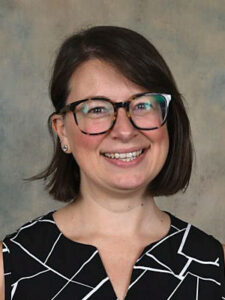 Dr. Biernacki is a Research Fellow in the Cognitive and Pharmacological Neuroimaging Unit of the National Institute on Drug Abuse Intramural Research Program, under the guidance of Dr. Amy Janes. Her works focuses on understanding how novel interventions impact neural mechanisms of decision-making and craving in people with substance use disorders. She is currently studying how orexin antagonism modulates the neural correlates of craving and reward in people who use nicotine. Dr. Biernacki’s CCB project will focus on modulating decision-making in people with opioid use disorder using functional-connectivity guided neurostimulation.
Dr. Biernacki received her Ph.D. in Psychology in 2018 from the Australian Catholic University in Melbourne. She then completed a post-doctoral fellowship at Rutgers University in 2022, where she studied how craving impacts decision-making using computational psychiatry methods, as well as the impact of brain stimulation on reward processing in people with opioid use disorder. In her spare time, Kathryn enjoys cooking, yoga and traveling.
Ido Maor, Ph.D. (NIDA)
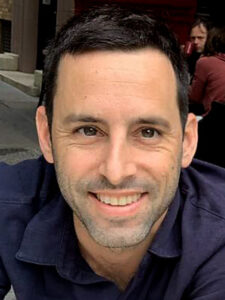 Ido is a Postdoctoral Fellow in Dr. Geoffery Schoenbaum lab within the Behavioral Neurophysiology Neuroscience Section of the National Institute on Drug Abuse (NIDA). As a CCB Fellow, Ido uses electrophysiology to record neurons from the Orbitofrontal cortex and other upstream and downstream cortical areas in freely moving rats while they learn to solve multiple problems, involving similar learning materials but very different rules. His goal is to test whether co-representation of these contradictory rules correlates with the ability to accurately deploy the correct behavioral schema.
Ido received his PhD in computational neuroscience from the Hebrew University in Jerusalem in 2017. As a graduate student, he studied the neural substrate of auditory perceptual learning. In his free time, he enjoys hiking with his family and playing the drums.
Ken Negishi, Ph.D. (NIDA)
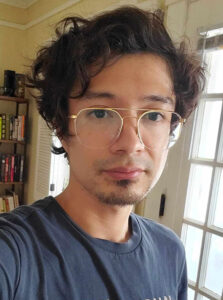 Ken is a postdoctoral fellow in the Behavioral Neuroscience Research Branch at NIDA under the guidance of Dr. Yavin Shaham. His CCB project aims to use rat models of voluntary abstinence from drugs to study the incubation of craving phenomenon. Ken hopes that his work will improve our understanding of mechanisms and neural circuits of relapse to drug seeking.
Ken began as a student of neuroanatomy at the University of Texas at El Paso. His graduate work focused on mapping connections of the rat prefrontal cortex using pathway tracing and interpretation of Nissl stains. Outside of the lab, he enjoys cooking/baking, fiction, and getting himself hurt while trying to land skateboarding tricks.
Siyu Wang, Ph.D. (NIMH)
 Siyu is a postdoctoral fellow in the Section on Learning & Decision Making, led by Dr. Bruno Averbeck at the National Institute of Mental Health. His research investigates the neural circuitry and computational mechanisms underlying goal-directed behavior.
He received his B.S. in Mathematics at University of Science and Technology of China in 2015, and his Ph.D. in Psychology from University of Arizona in 2020. His past work studied the computational mechanism of explore-exploit decisions in humans and rodents.
Franco Giarrocco, Ph.D. (NIMH)
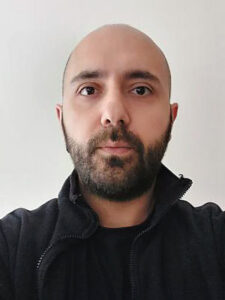 Franco is a postdoctoral fellow in the Section on Learning & Decision Making led by Dr. Bruno Averbeck at the National Institute of Mental Health. His research investigates how motivational and motor-related regions across cortico-basal ganglia circuits integrate stimulus-value information with motor information to drive reinforcement learning. His CCB project combines the comparison of human and non-human primates’ behavior during reinforcement learning tasks and large-scale neuronal recordings in non-human primates.
Franco earned his B.S. in Biology from the University of Ancona (Italy) in 2011, M.Phil. in Neurobiology in 2015, and Ph.D. in Behavioral Neuroscience from Sapienza University of Rome (Italy) in 2020. His past work investigated the behavioral and neuronal mechanisms of selective inhibition, as well as perceptual and motivational aspects underlying the inhibitory control of movements in non-human primates.
Ryan Lingg, Ph.D. (NIMH)
 Ryan is a Postdoctoral Fellow working with Dr. Mario Penzo in the Section on the Neural Circuits of Emotion and Motivation at the National Institute of Mental Health (NIMH). His research investigates the neural mechanisms underlying defensive behaviors and how these are altered during stress. His CCB project focuses on characterizing neural activity in thalamo-cortical projections in response to threatening stimuli during metabolic challenges.
Ryan earned his Ph.D. in Behavioral Neuroscience from the University of Iowa under the mentorship of Dr. Jason Radley. During his Ph.D., Ryan worked to investigate neural circuit control of stress hormone release and how these contributed to fear generalization.
